Engine Bay Cleaning Without Breaking Anything
Safe engine bay cleaning guide: what to cover, degreaser selection, pressure washer technique, and dressing plastics for a show-quality result.
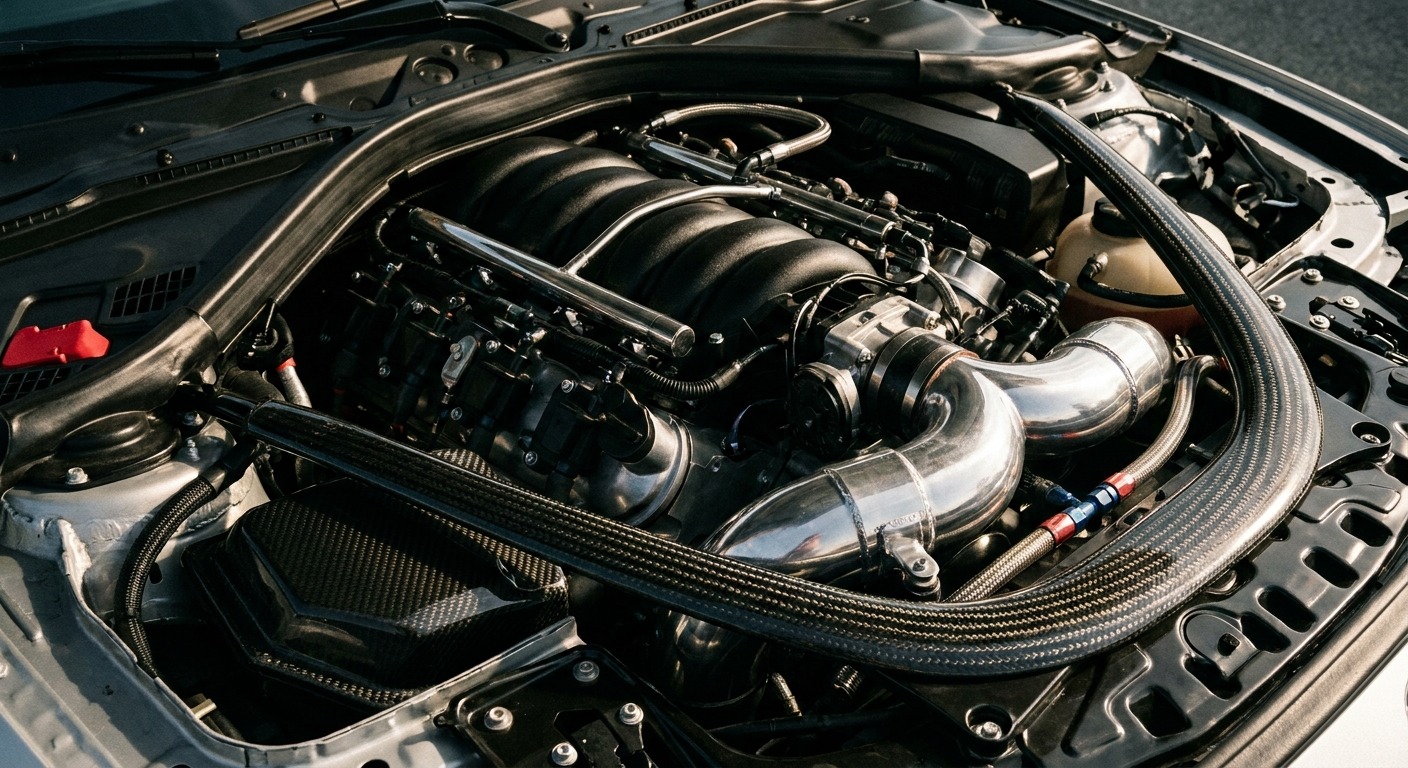
Engine bay cleaning is the step that separates a thorough detail from a surface-level one, and it's also the step most people skip entirely. The concern is understandable — you're pointing water and chemicals at electronics, wiring, sensors, and moving parts. The fear of breaking something expensive keeps a lot of enthusiasts from ever touching the engine bay.
Here's the reality: modern engine bays are designed to get wet. They live behind a grille that lets rain, road spray, and puddle splash in constantly. Engine components are sealed and weatherproofed to handle this. What they're not designed for is a direct blast from a pressure washer at full power from six inches away, or having pools of degreaser sit on sensitive connectors for extended periods. The difference between a safe engine bay clean and a problem is simply technique and awareness.
What to Cover and What to Avoid
Before any water or degreaser touches the engine bay, there are a few areas that deserve extra attention or protection:
The alternator. Modern alternators are weather-resistant but don't love being pressure-washed directly. A plastic bag and tape provide cheap insurance.
The fuse box. Check that the cover is secure. If cracked or missing, cover with plastic — water in the fuse box causes electrical gremlins.
The air intake. Water in the air intake can cause hydrolock and catastrophic engine damage. If your intake is an exposed cold-air system, cover it. Factory air boxes are generally fine, but ensure the lid is sealed.
Exposed electrical connectors. Modern wiring uses weatherproof connectors, but older or modified engine bays may have vulnerable points. A quick visual scan before you start identifies anything worth covering.
Battery terminals. Avoid spraying exposed terminals directly with degreaser. Battery corrosion is better addressed with a dedicated terminal cleaner and wire brush.
Pro tip: The engine should be warm but not hot when you clean it. A warm engine helps degreaser work more effectively and promotes faster drying, but a hot engine can cause degreaser to flash-dry before it has time to break down grime, and cold water on a scorching hot engine can potentially crack or warp components. Let the engine idle for five minutes before you start — warm to the touch, not burning hot.
Choosing a Degreaser
Not all degreasers are appropriate for engine bay use. You need something strong enough to cut through oil, grease, and road grime that's been baking onto surfaces for months or years, but not so aggressive that it damages rubber hoses, plastic components, or painted surfaces within the engine bay.
All-purpose cleaners (APC) at medium dilution (around 4:1 or 3:1) are the safest starting point for engine bays that get cleaned periodically. They have enough cutting power for moderate grime without being overly aggressive on materials.
Dedicated engine degreasers are stronger and appropriate for first-time cleans or heavily neglected bays. Use at the recommended concentration and don't let them dry on the surface.
Citrus-based degreasers are effective on petroleum products while being less harsh on rubber and plastics. They also smell considerably better, which matters when you're leaning over an engine bay for thirty minutes.
Avoid: Oven cleaners, brake cleaner on plastics, and solvent-based products that attack rubber hoses and gaskets.
The Cleaning Process
Here's the step-by-step approach that balances effectiveness with safety:
1. Cover sensitive areas. As discussed above — alternator, any exposed intake, compromised fuse box covers, and any other points you identified during your visual inspection. Plastic bags and tape work perfectly. You don't need to mummify the engine bay — just cover the specific components you're concerned about.
2. Dry-brush loose debris. Use a detailing brush or old paintbrush to sweep out leaves, pine needles, and loose dirt from the cowl area (where the windshield base meets the hood), from around the engine cover, and from any crevices where debris accumulates. Removing this dry debris prevents it from turning into a mud slurry when you add liquid.
3. Light pre-rinse. A gentle rinse with a garden hose or pressure washer at low pressure and wide fan from a distance of at least 30 centimetres. You're wetting the surfaces, not blasting them. This initial rinse removes surface dust and preps surfaces for the degreaser to adhere properly.
4. Apply degreaser. Spray the degreaser across all surfaces, working from the back of the engine bay forward and from top to bottom. Concentrate heavier application on areas with visible oil and grease buildup — around the valve cover, along the bottom of the engine bay, and around any areas where fluid leaks have left deposits. Let the degreaser dwell for three to five minutes. Don't let it dry — if it starts to dry in warm conditions, mist additional degreaser or water to keep it active.
5. Agitate. This is where the real cleaning happens. Use a variety of brushes — stiff nylon for flat surfaces and heavy grime, softer brushes for painted components and plastics, and small detail brushes for crevices, bolt heads, and tight areas around hoses and wiring. The brush agitation breaks up grime that the degreaser has loosened. For stubborn buildup, a second application of degreaser with more agitation time is better than trying to force it with excessive pressure.
6. Rinse. Rinse thoroughly with a garden hose or pressure washer on a wide fan setting at moderate distance — 30 to 45 centimetres minimum. Work from back to front so dirty rinse water flows forward and out. Don't point a concentrated pressure washer stream directly at electrical connectors, the alternator, or any covered areas. A garden hose with decent water pressure is honestly sufficient for the rinse stage and carries less risk than a pressure washer in an inexperienced hand.
7. Repeat if necessary. First-time cleans on neglected engine bays often need two rounds. The first round breaks through the top layer of grime, the second gets down to the actual surfaces. Don't expect a single pass to transform years of neglect.
The key to safe engine bay cleaning is time and chemistry, not pressure. Let the degreaser do the work. The pressure washer is for rinsing, not for stripping grime through brute force.
Drying
After rinsing, dry the engine bay as thoroughly as possible. Compressed air is ideal — it blows water out of crevices, from around connectors, and off surfaces quickly. A leaf blower works well as a substitute. If you have neither, microfibre towels to blot accessible surfaces combined with running the engine for ten minutes (with the hood open) will evaporate most remaining moisture.
Proper drying matters because standing water left on electrical connections and in crevices can cause corrosion over time and may trigger fault codes or electrical issues in the short term. A few minutes with compressed air prevents problems that might not show up for weeks.
Dressing: The Finishing Touch
Once the engine bay is clean and dry, dressing the plastic, rubber, and painted surfaces transforms it from "clean" to "show quality." Engine bay dressing serves both aesthetic and protective purposes — it restores colour depth to faded plastics, protects rubber hoses from UV degradation and drying, and makes the engine bay easier to clean next time by creating a surface that grime doesn't adhere to as easily.
Water-based dressings are preferred. They absorb into surfaces rather than sitting on top, creating a natural finish that doesn't attract dust or sling off when the engine heats up. Apply to a foam pad and wipe onto plastic covers, hoses, and reservoirs. Avoid belts (causes slipping), the engine block, and exhaust components (it will smoke).
How Often
For a daily driver, a full engine bay clean once or twice a year keeps things tidy and makes maintenance work more pleasant. If you're showing the vehicle or preparing for sale, a thorough clean is obviously warranted. After the initial deep clean, maintenance cleans are much faster since you're only dealing with a few months of light accumulation rather than years of baked-on grime.
In Canadian conditions, a spring clean after winter is particularly valuable. Salt spray and road chemicals creep into the engine bay over winter and accelerate corrosion on exposed metal components. Cleaning these deposits off in spring is simple preventive maintenance.
A clean engine bay also makes it easier to spot problems — fluid leaks, cracked hoses, corroded terminals, and worn belts are all more visible on clean surfaces. What starts as an aesthetic project can become a practical maintenance benefit.
Combined with proper exterior correction, paint protection, and a thorough interior detail, a clean engine bay rounds out a complete vehicle detail — the kind of thorough care that keeps a vehicle looking and functioning at its best for years. And if you ever need to restore your headlights, that same careful, methodical approach applies there too.