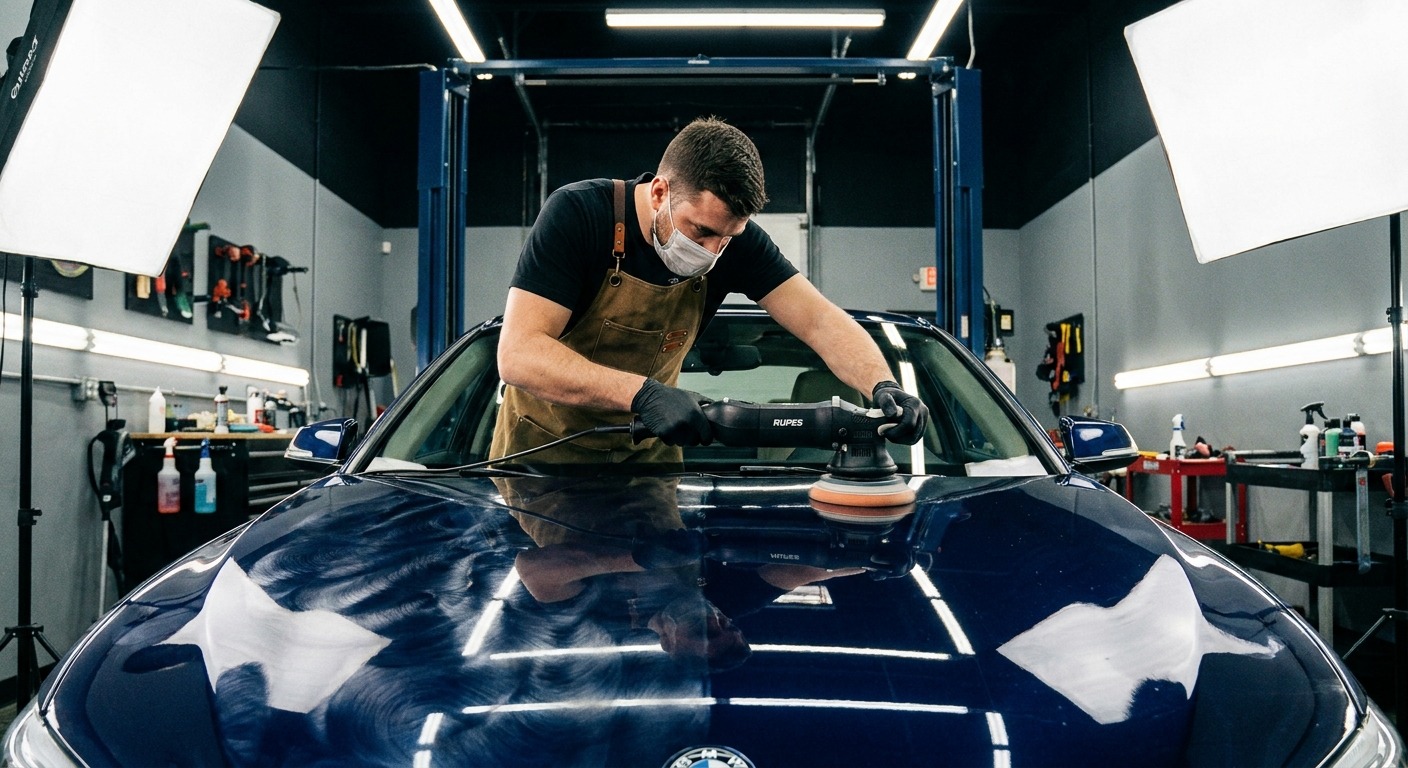
Paint correction gets thrown around a lot, but half the cars that come through a "correction" are just getting a one-step polish. Here's what each stage actually does, what compounds and polishes are for, and how to know if your paint needs any of it.
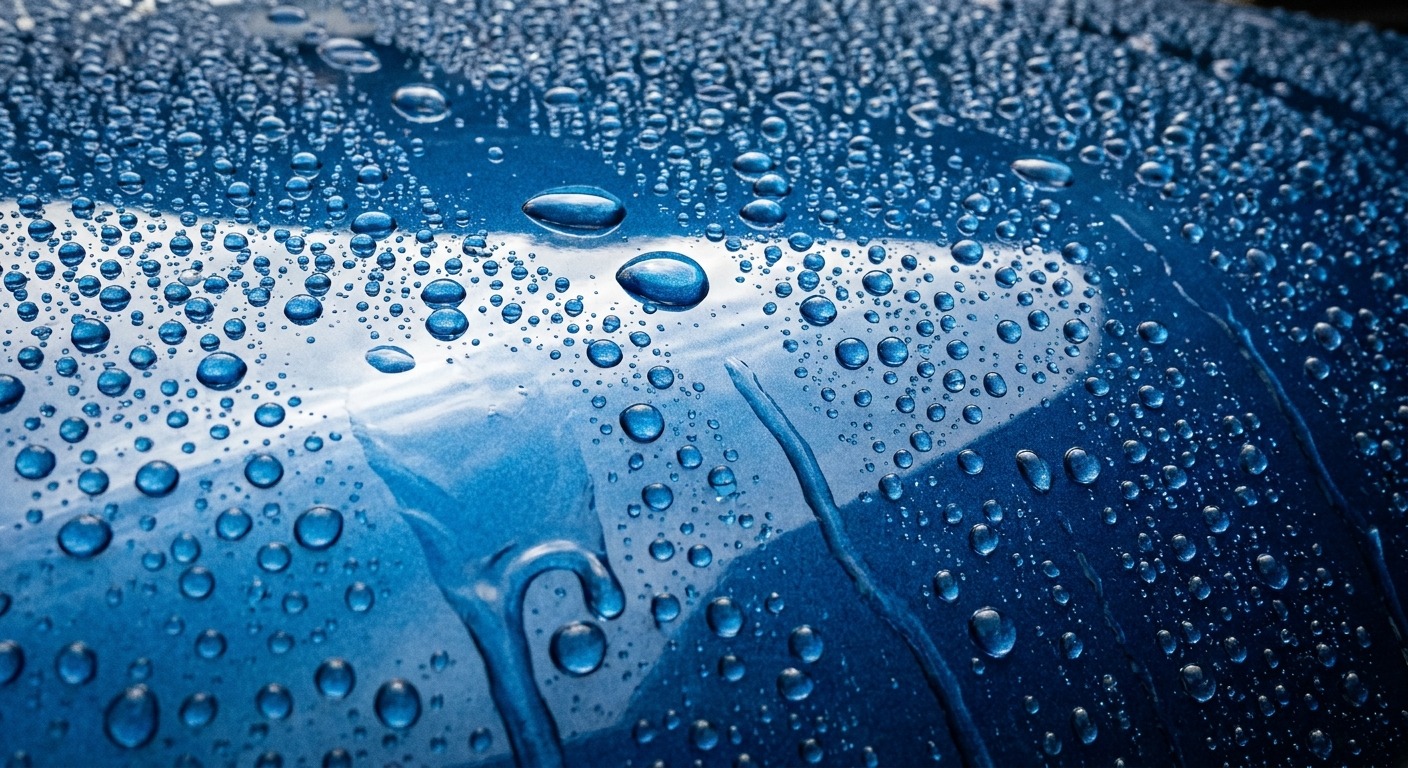
Ceramic coatings are not force fields. They won't stop rock chips or make scratches disappear. But what they actually do — UV protection, chemical resistance, and insane hydrophobic behaviour — is still worth understanding before you spend the money.
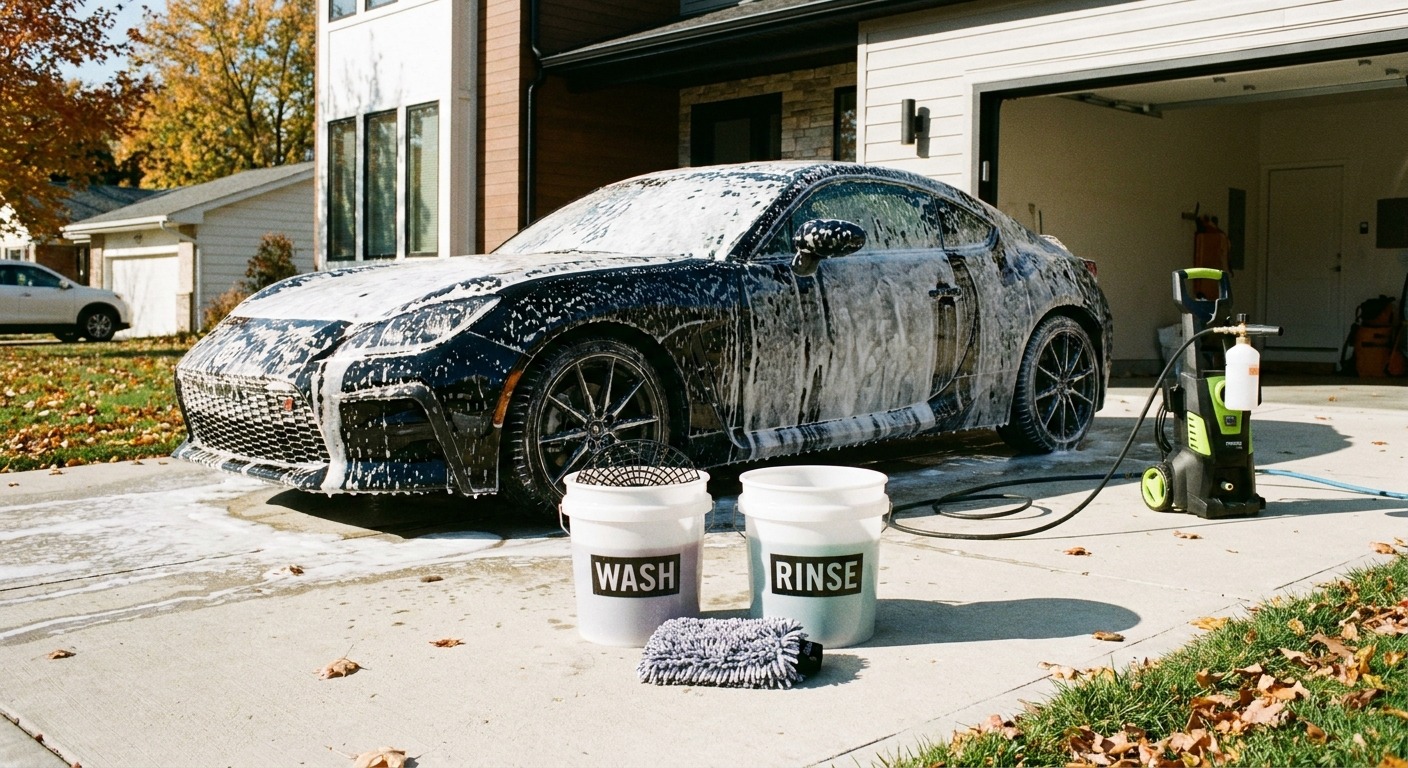
Every swirl mark on your paint started at the wash stage. Two buckets, two grit guards, and the right mitt will keep your finish looking the way it did after your last polish — not worse.
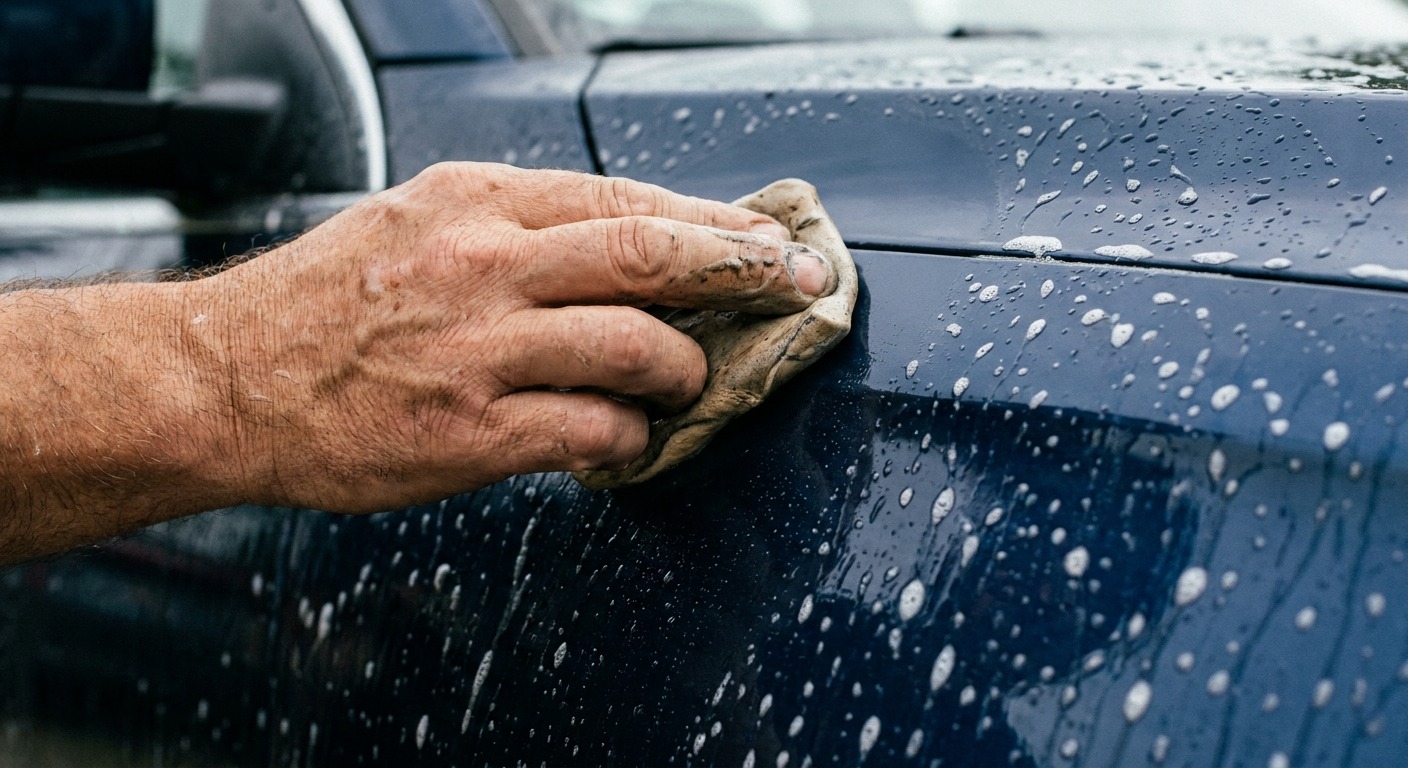
Run your hand over a freshly washed panel and it still feels gritty? That's contamination — industrial fallout, rail dust, overspray — bonded to your clear coat. Clay pulls it off without cutting into the paint.
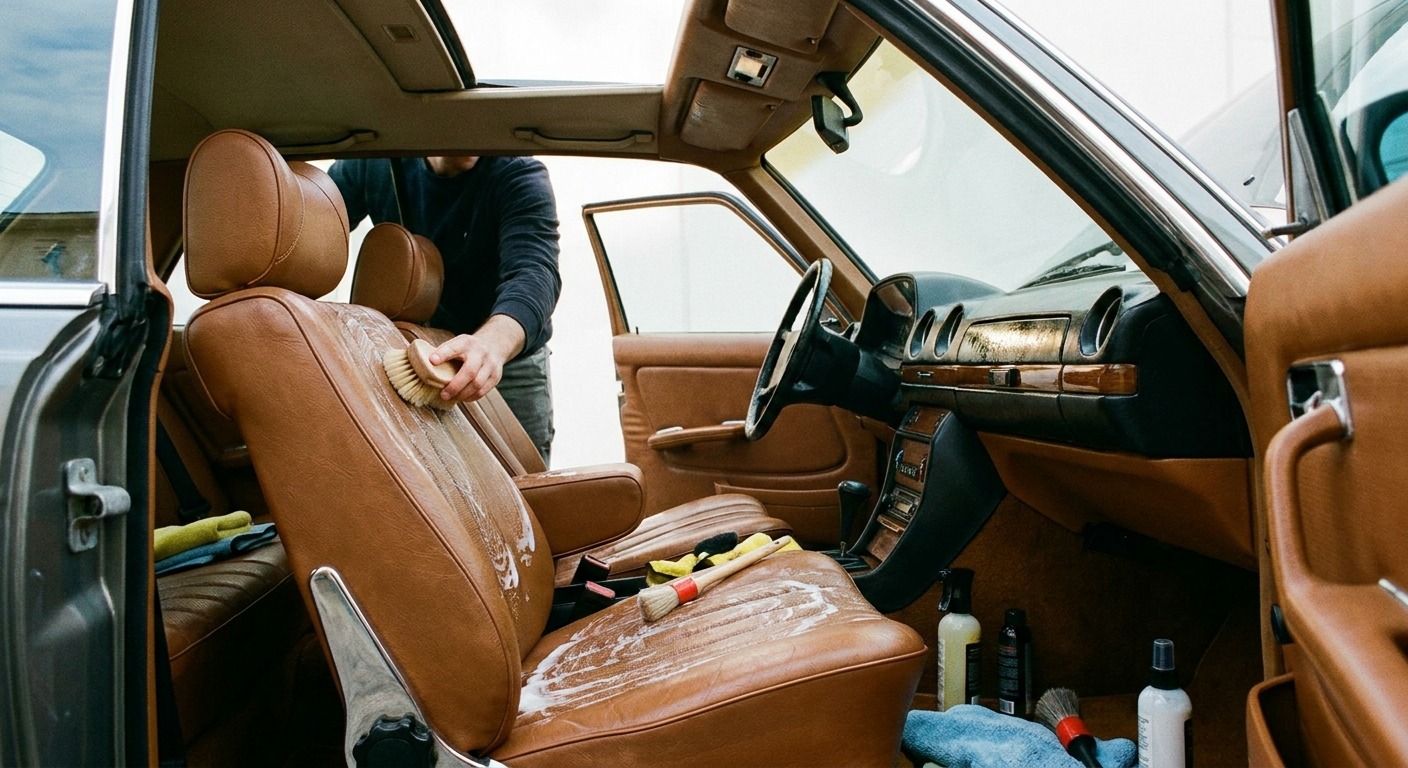
Interiors are where most people actually spend their time, and they're usually the most neglected part of detailing. Leather, vinyl, cloth, carpet, headliner, glass — each one has its own approach.
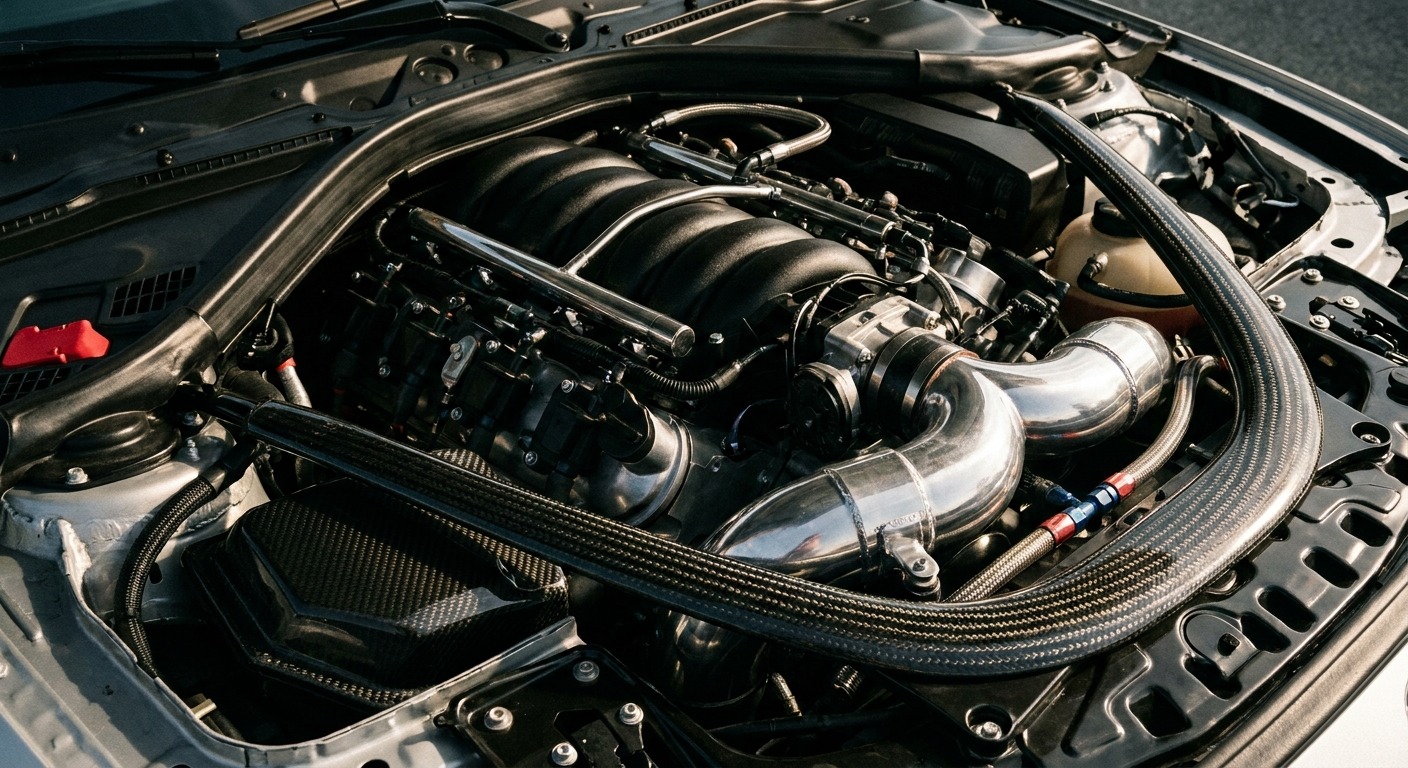
The engine bay scares people, and that's fair. Water and electronics don't mix. But a careful approach with the right degreaser, proper covering, and sensible pressure washer distance gets you a show-quality engine bay without frying anything.
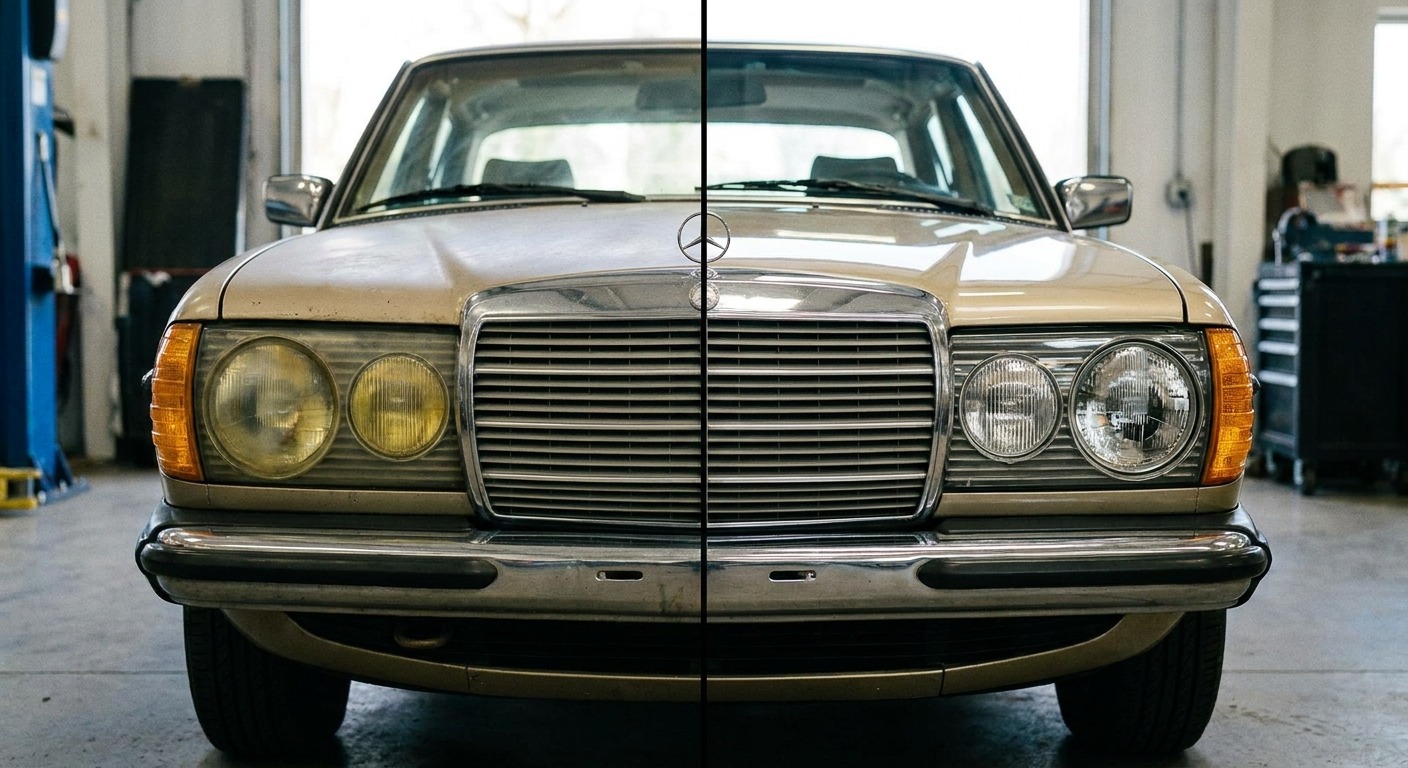
Those cloudy yellow headlights aren't just ugly — they cut your light output dramatically. Store kits give you six months. Wet sanding with a proper clear coat gives you years. Here's the full process.