Microfibre Towels: What Actually Matters
Guide to microfibre towels for detailing. GSM ratings, weave types, washing care, and when to retire towels. Cut through the marketing and buy smart.
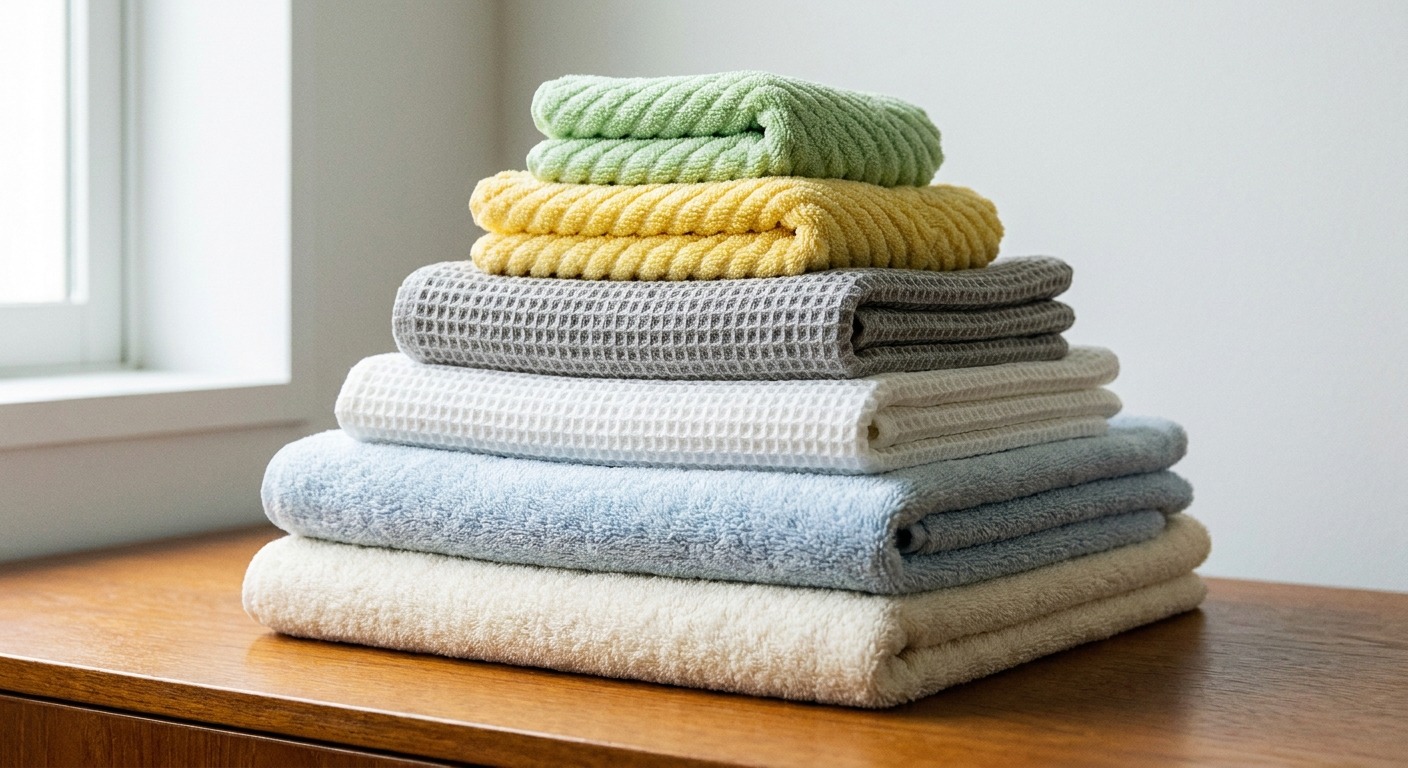
Walk into any detailing supply shop or browse any online store and you will find microfibre towels ranging from two dollars to twenty dollars each. The descriptions are full of numbers and claims that seem designed to confuse rather than inform. The reality is simpler than the marketing suggests. There are a handful of things that actually matter when choosing microfibre towels, and once you understand them, you can buy smart, use them correctly, and stop ruining paint with the wrong towel.
GSM Explained: The Number That Actually Matters
GSM stands for grams per square metre, and it measures the density of the fabric. A higher GSM means more fibre packed into the same area, which translates to more softness, absorption, and plushness. Industry groups like SEMA have pushed for standardized GSM labelling, though compliance varies. It is the single most useful number for choosing the right towel for the right job.
Here is how GSM maps to detailing tasks:
- 200-300 GSM: Light-duty towels. Good for cleaning glass, wiping interior surfaces, applying spray detailer. Thin, lint-free on glass, and inexpensive enough to use in bulk. Not suitable for buffing polish or compound residue because the low pile does not provide enough cushion to prevent micro-marring on sensitive paint.
- 300-400 GSM: General purpose. This is the workhorse range for most detailing tasks. Washing, drying, quick detailer application, general wiping. Dense enough to be soft against paint but not so plush that they grab on every edge and seam.
- 400-600 GSM: Buffing and polishing. These are what you want for removing compound and polish residue after machine work. The high pile absorbs product residue without smearing it, and the dense fibre construction is gentle on freshly corrected paint. When you have just spent hours doing paint correction, this is not the place to cheap out on towels.
- 600+ GSM: Coating removal and final wipe. The highest GSM towels are thick, plush, and designed for the most demanding tasks. Ceramic coating levelling requires a towel that wipes cleanly without streaking, and high-GSM microfibre handles this better than anything else. These are also excellent as a final wipe towel for show-quality finishes. Check our ceramic coating guide for specific recommendations on towel use during coating application.
GSM is not everything, and a 600 GSM towel from a poor manufacturer can underperform a 400 GSM towel from a good one. But within the same quality tier, GSM is the most reliable indicator of how the towel will perform.
Weave Types: Why the Pattern Matters
Microfibre towels come in several weave patterns, and each is optimized for different tasks. Using the wrong weave for a job does not cause disasters, but using the right one makes the work noticeably easier and the results better.
Plush or Terry Weave: The classic microfibre towel with a dense, soft pile. Most versatile and the one you should own the most of. The pile traps particles within the fibres rather than pushing them across the surface. High-GSM plush towels are the standard for buffing, drying, and general paint contact. If you could only own one type, this is it.
Waffle Weave: The textured pattern creates pockets that dramatically increase surface area and absorption. Waffle weave towels absorb water faster than plush and wring out more completely. For drying a freshly washed car or boat, a large waffle weave towel is transformative. Also excellent for glass because the texture grabs oils rather than smearing them.
Twisted Loop: Fibres twisted into small loops give a textured, almost rough feel compared to plush. Designed for removing heavy product residue: compound, dried wax, and ceramic coating flash. The texture breaks through caked-on product without heavy pressure. Do not use twisted loop on bare paint because the texture can induce micro-marring on soft or dark finishes.
Tip: Colour-code your towels. Use one colour for paint contact, another for glass, another for interior, and another for wheels and engines. This prevents cross-contamination. A towel that touched brake dust should never touch paintwork, no matter how well you washed it. The same discipline applies whether you are detailing a car, a motorcycle, or a boat.
The Fibre Split Ratio
Microfibre is made from a blend of polyester and polyamide (nylon). The split ratio, typically expressed as 80/20 or 70/30 (polyester/polyamide), affects the towel's cleaning ability and softness. The polyamide component is what gives microfibre its absorption and cleaning power because polyamide is hydrophilic, meaning it attracts water. Higher polyamide content (like 70/30) means better absorption and cleaning. Standard 80/20 towels are adequate for most tasks but noticeably less absorbent than 70/30 towels in a direct comparison.
More important than the ratio is whether the fibres are actually split. Microfibre gets its cleaning ability from the star-shaped cross-section of split fibres, creating millions of tiny hooks that pick up dirt and moisture. Unsplit microfibre is just synthetic cloth with no special properties. Test by running it across your dry hand: a split microfibre towel grabs and catches on your skin, while an unsplit towel slides smoothly.
Washing Microfibre Properly
How you wash your microfibre towels determines how long they last and whether they remain safe for paint contact. Get this wrong and your expensive towels become expensive rags within a few washes.
- Wash separately. Never wash microfibre with cotton towels, clothing, or shop rags. The microfibre picks up lint from other fabrics, and that lint then gets deposited on surfaces the next time you use the towel. Similarly, a towel that picked up metal shavings in the shop will transfer them to your paint regardless of how hot you wash it.
- Use a dedicated detergent. Regular laundry detergent often contains fabric softener, optical brighteners, and fragrances that coat the fibres and reduce their effectiveness. Use a free-and-clear detergent with no additives, or a microfibre-specific wash solution. Never use fabric softener. It coats the fibres with a waxy film that kills absorption and cleaning ability.
- Wash warm, not hot. 40 to 60 degrees Celsius is the ideal range. Excessively hot water can melt the polyester component, fusing the fibres and ruining the towel. The fibres will feel hard and scratchy afterward.
- Dry on low heat or air dry. High dryer heat causes the same fibre damage as hot water. Low tumble dry is fine and actually helps fluff the pile. Air drying works but leaves the towel slightly stiff until it is used again.
- Skip the bleach. Chlorine bleach damages polyester and polyamide fibres, weakening them and reducing their lifespan dramatically. If you need to sanitize towels, an oxygen-based bleach alternative is safer.
A properly washed microfibre towel lasts hundreds of wash cycles. A poorly washed one is done within twenty. Given the cost difference between washing correctly and replacing towels constantly, the math is obvious.
When to Retire a Towel
Microfibre towels do not last forever, and knowing when a towel has moved from "paint-safe" to "shop rag" prevents you from marring surfaces with a towel you trusted.
Retire a towel from paint duty when it feels stiff or crunchy despite proper washing, meaning the fibres are heat-damaged or saturated with product. Retire it if you see embedded contaminants or grit that persists after washing. Retire it if the edges are frayed, because a loose thread dragged across paint creates a scratch you will spend time polishing out.
Retired towels still have uses. Demote them to wheel cleaning, engine bay wiping, or shop cleanup where surface sensitivity is not a concern. A towel that would scratch a black car hood is perfectly fine for cleaning wheel barrels or wiping down a motorcycle chain. This cascading approach means you get full value from every towel you buy.
I mark my towels with a permanent marker dot on the tag when they enter the rotation. When a towel starts underperforming, I check the dot. If it has been through more than a year of regular use, it gets moved to the wheel bucket without guilt.
Building Your Towel Collection
If you are starting from scratch, here is a practical towel collection for someone detailing their own vehicles:
- Six to eight plush towels at 350-400 GSM for general drying and wiping. These are your daily drivers.
- Four plush towels at 400-600 GSM for buffing compound and polish residue after machine work.
- Two waffle weave towels, large size, for primary drying after wash. The two-bucket wash process ends with a proper drying step, and waffle weave handles it best.
- Two to four twisted loop or high-GSM plush towels for coating removal and final wipe.
- Four to six light-duty towels at 200-300 GSM for glass, interior, and spray detailer application.
- Four cheap microfibre or cotton towels designated for wheels, exhaust, and dirty work only.
That totals roughly twenty to thirty towels, which sounds like a lot until you realize a single car detail uses six to ten easily. Having enough means you always grab a clean one rather than flipping a dirty one over. When you consider compound removal on a gel coat restoration, a deep stack of clean buffing towels is not optional.
The difference between good microfibre and bad microfibre is the difference between confident detailing and constant anxiety about whether your towel is scratching the surface. Buy quality towels, wash them correctly, retire them honestly, and they become one of the most reliable tools in your detailing kit. For more on pairing the right towels with the right polishing equipment, see our DA vs rotary polisher guide. The machine moves the compound, but the towel finishes the job.